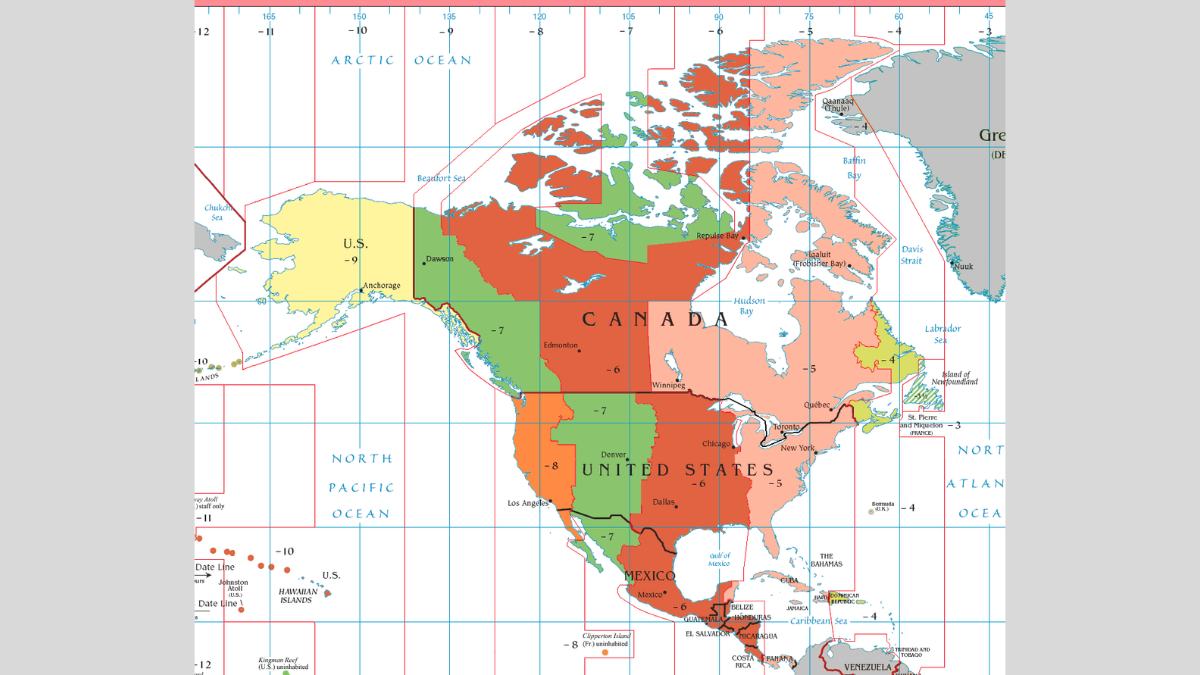



The New Time Zones in BC and Canada: What You Need to Know
Recent changes in British Columbia (BC) and other parts of the country have introduced new time zone adjustments that are set to impact residents, businesses, and travelers alike. Here’s a comprehensive look at the new time zones in BC and across Canada, what prompted these changes, and how they might affect daily life.
Why Change Time Zones?
Time zones are typically adjusted to better reflect the daylight hours experienced by a region, improve energy efficiency, or align economic activities with neighboring areas. In BC, the push for new time zones has been driven by a combination of factors:
- Economic Synchronization:** Parts of BC, especially those close to Alberta, have sought to align their clocks more closely with their economic partners.
- Daylight Optimization:** Communities want to maximize daylight during working hours to enhance productivity and quality of life.
- Public Demand:** Residents in certain regions have expressed frustration with the current time zone setup, which can feel out of sync with their daily routines.
What’s New in British Columbia?
Historically, BC has primarily operated on Pacific Time (UTC-8) and observed Daylight Saving Time. However, recent legislative proposals and community consultations have led to the introduction of a new time zone arrangement:
- The Peace River Regional District Shift Starting in 2024, parts of northeastern BC, including the Peace River Regional District, offically moved to Mountain Time (UTC-7) year-round. This change brings the region in line with neighboring Alberta, facilitating smoother cross-border commerce and communication.
- Elimination of Daylight Saving Time
Here's what North America will lool like on November 2, 2026.